
With the growth of Minnie Ear collecting, a surge of fake ears has also flooded the resale market. There is nothing wrong with buying these fake ears at all, but if you are only interested in authentic ears, then you need to know what to look for. Many of these fake ears can be purchased for around $10 on eBay or Ali Express, but are being sold for $25 – $40 (or more!) on resale sites so if you do care about authenticity, it’s important to know what to look for.
Previously we examined all tags and Minnie Mouse: The Main Attraction Ears. This time, we are going to focus on the biggest deceptions and red flags that are out there right now – Shanghai Disneyland and Hong Kong Disneyland price tags.
Part 1: Real Tags
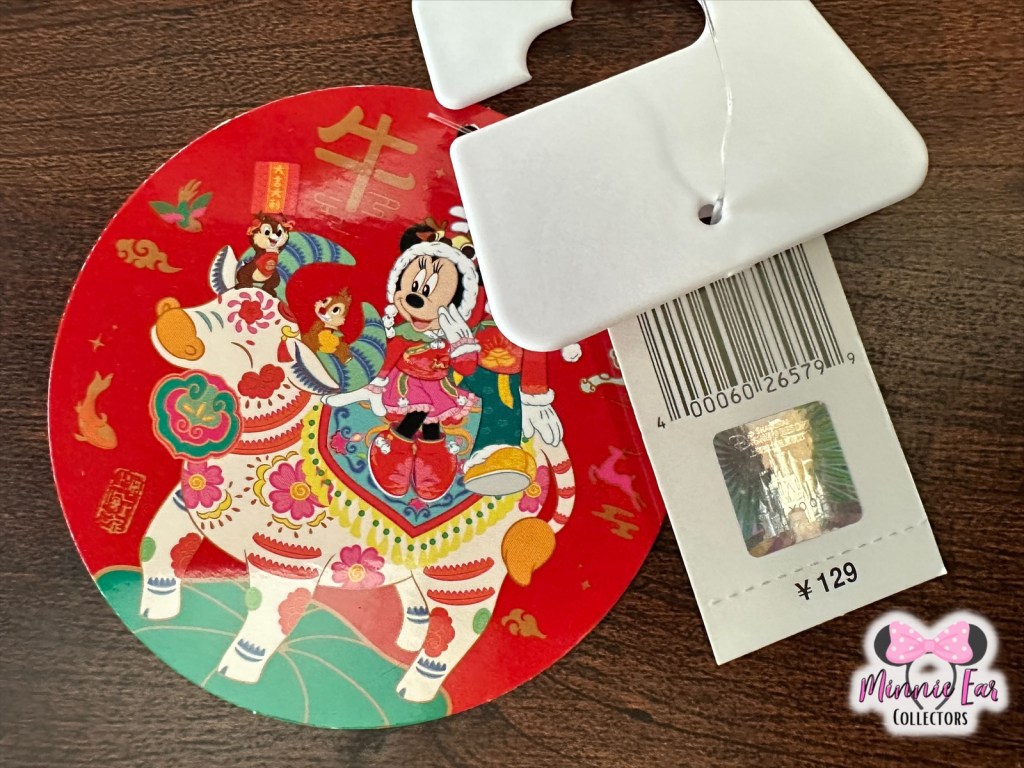
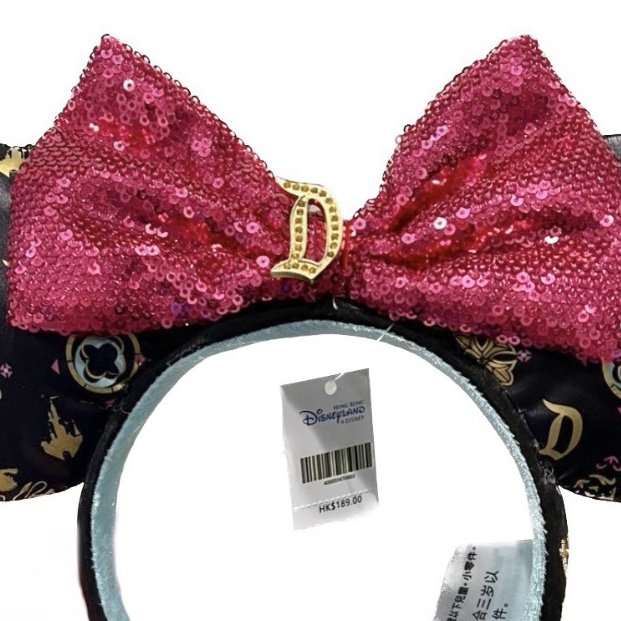
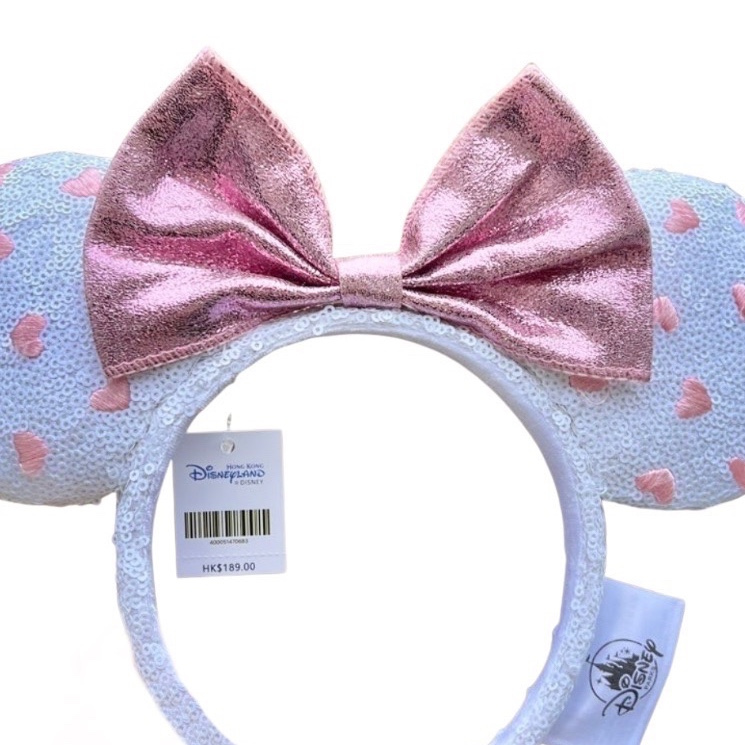
Real tags from Shanghai Disneyland (SHDL) and Hong Kong Disneyland (HKDL) both have security stickers/tape, though I have occasionally seen HKDL ears without the security tape. Also, some older (2016) ears from SHDL are missing the holographic sticker. Seeing that sticker or tape is a good sign of authenticity.


Real tags from SHDL and HKDL are also unique to each pair of ears. This is the same for ears from other parks too. You will see a unique barcode number and price for each ear. If the same barcode number appears of different ears, that is a warning sign!
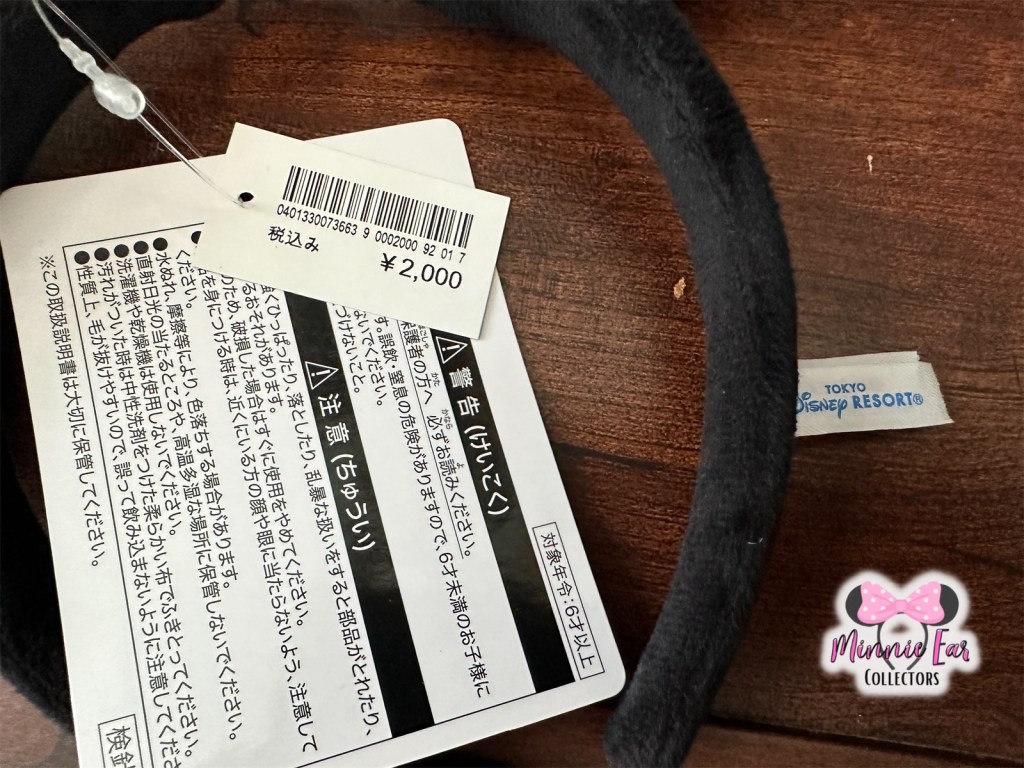
Tokyo Disney Resort (TDR) ears are unique to all other parks. These ears usually have a large rectangular tag and a smaller rectangular price tag. ALL TDR ears have the TDR fabric tag. This is a smaller, skinny tag compared to what the tags are in other parks and has varied in colors of pink and blue. Authentic TDR ears will never have a SHDL/HKDL/Fun Fan Amuse tag/etc…
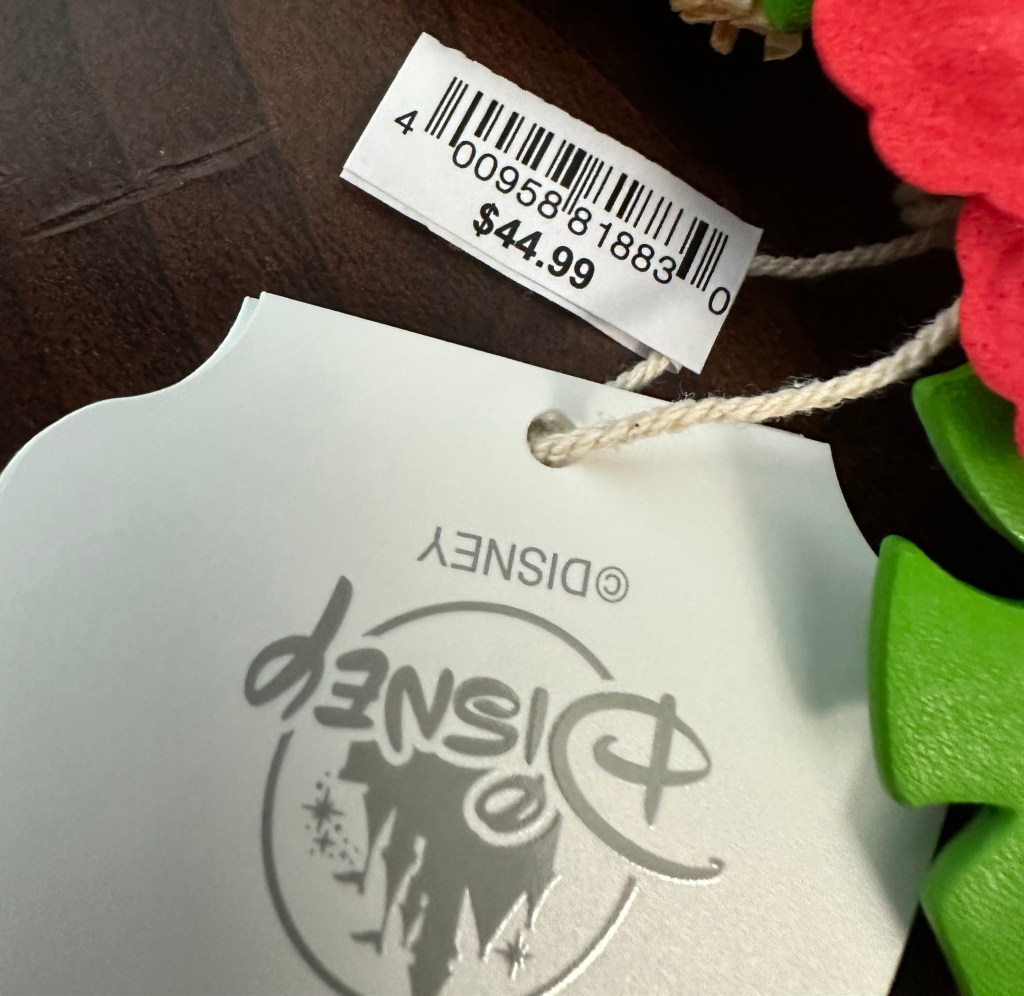
Newer globally released ears no longer have a traditional price tag in the US. Ears now feature a plastic hanger tag in addition to a small sticker price tag (in the US). Globally released ears will still have a real SHDL tag or HKDL if they were sold in those parks in lieu of the small sticker in the US.
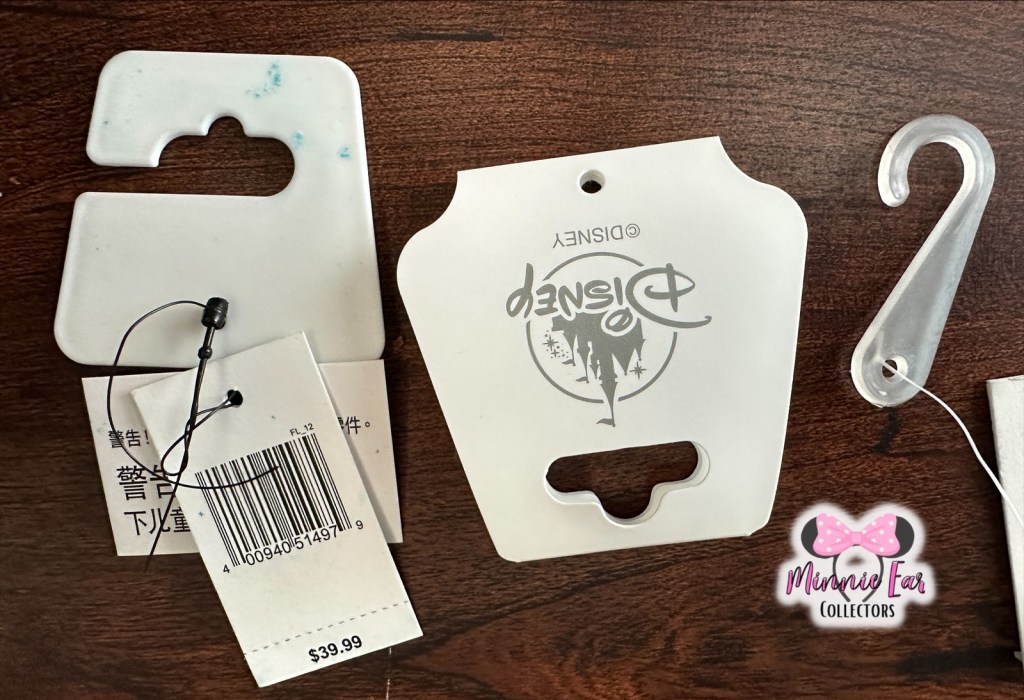
Other signs of real tags include having the plastic hanger. While this is not a 100% guarantee as I have seen fake ears with a hanger, many fake ears will not have this. This is especially true of the newest global hanger tag (pictured center below).
It’s also important to note about fabric tags. Different parks or resorts may have unique tags. Aulani exclusive ears have Aulani tags. Tokyo Disney Resort ears have TDR tags. Disney Cruise Line ears have DCL tags. Ears sold at Aulani and on DCL that are not exclusive will have the normal global tag.
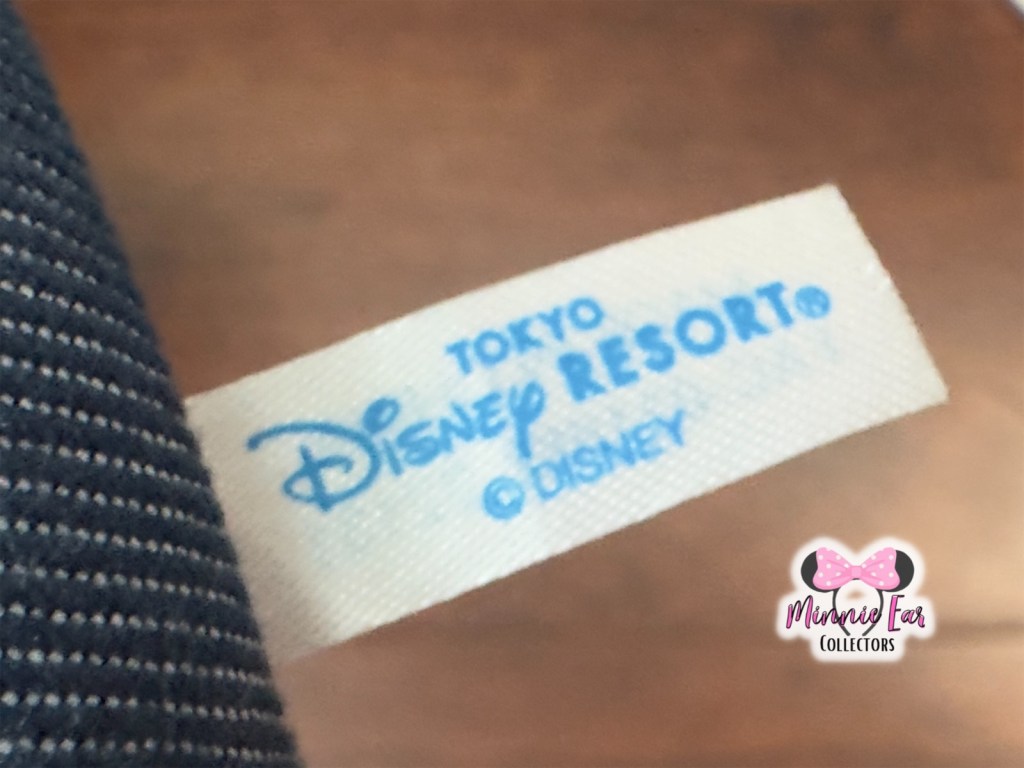
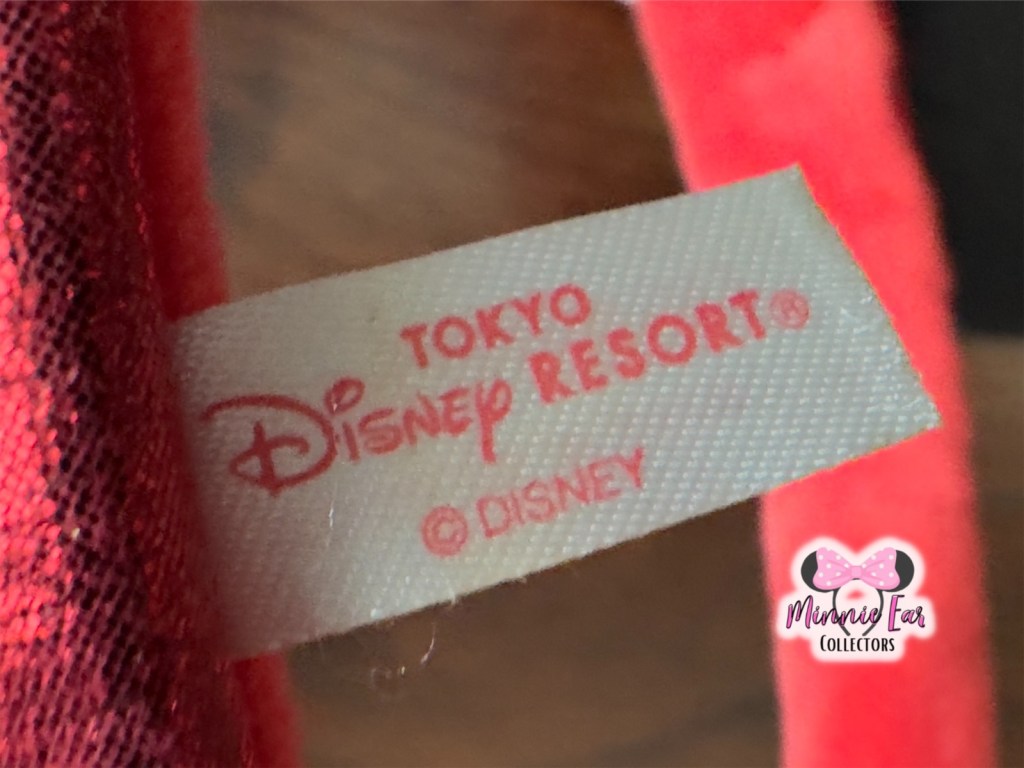
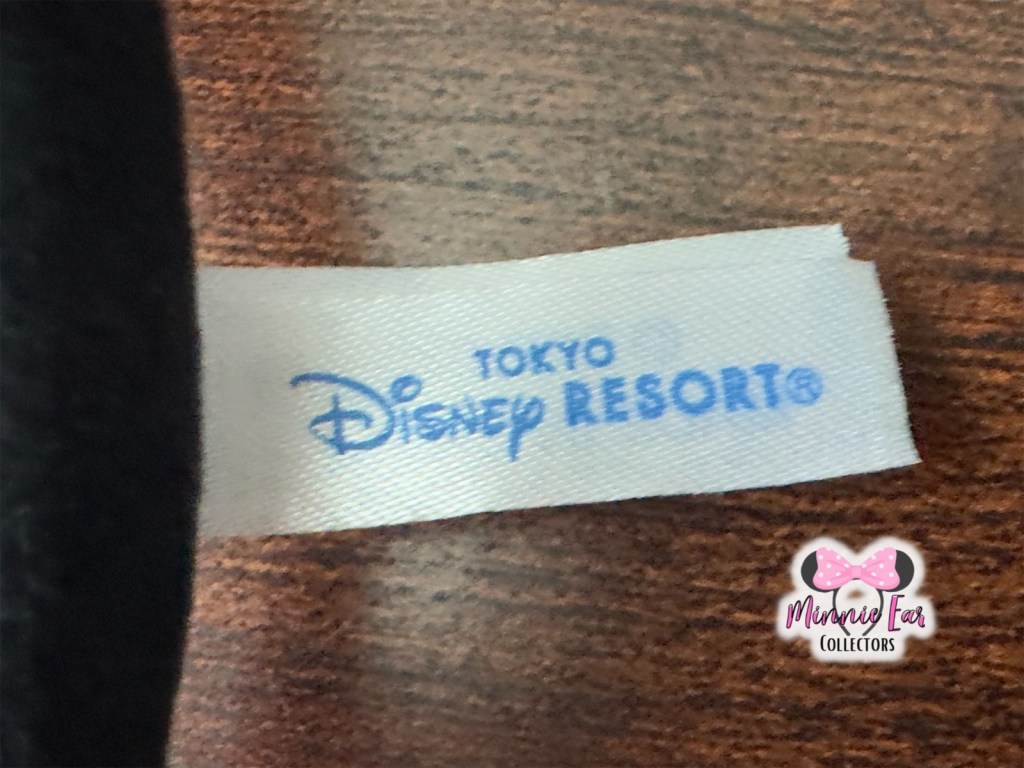
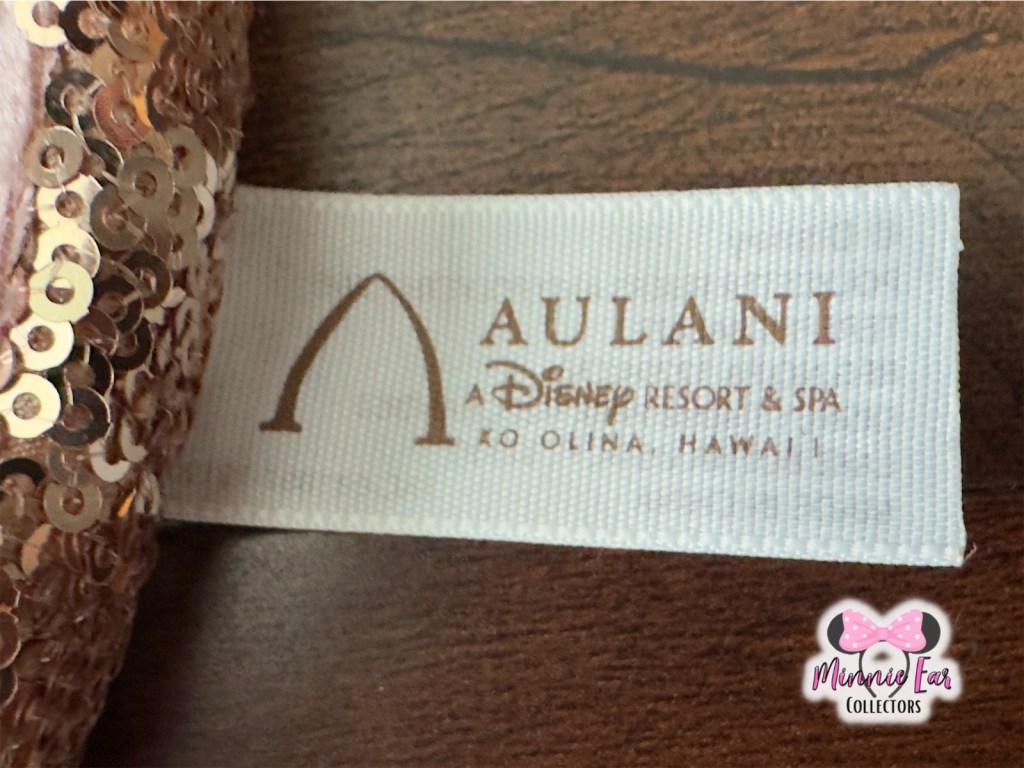
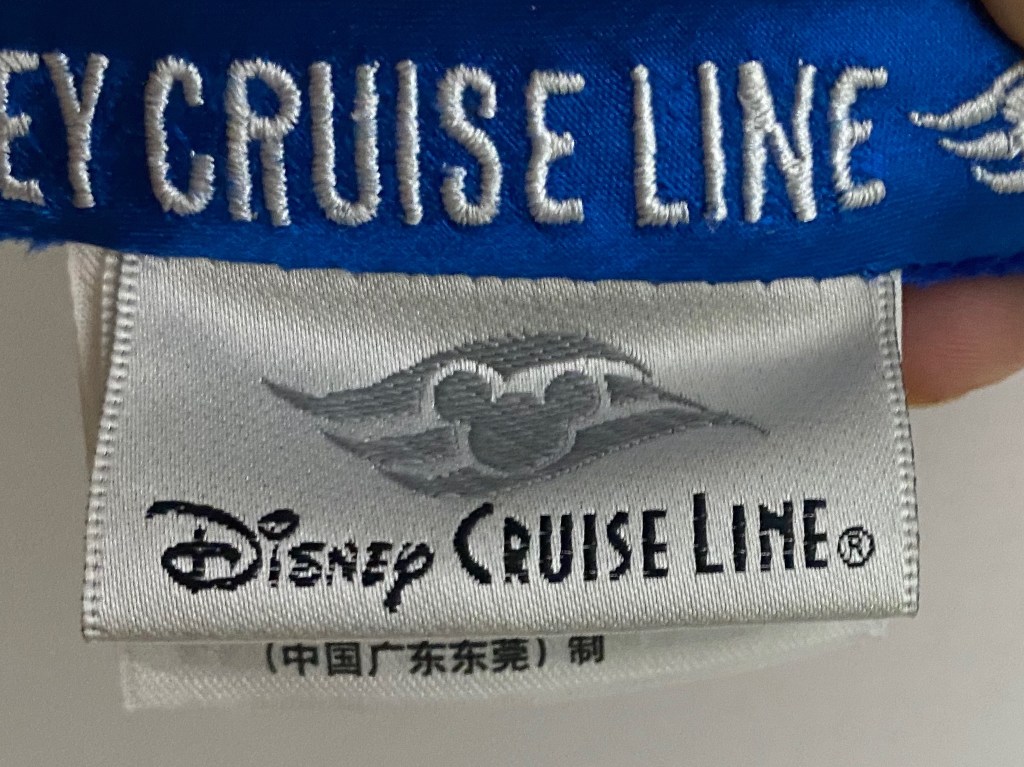
SOME Paris and Hong Kong ears have tags unique to their parks IF they are exclusive to that park, however, non-exclusive ears have the standard global tags. More recently, exclusive tags have not been as widely used in these two parks.
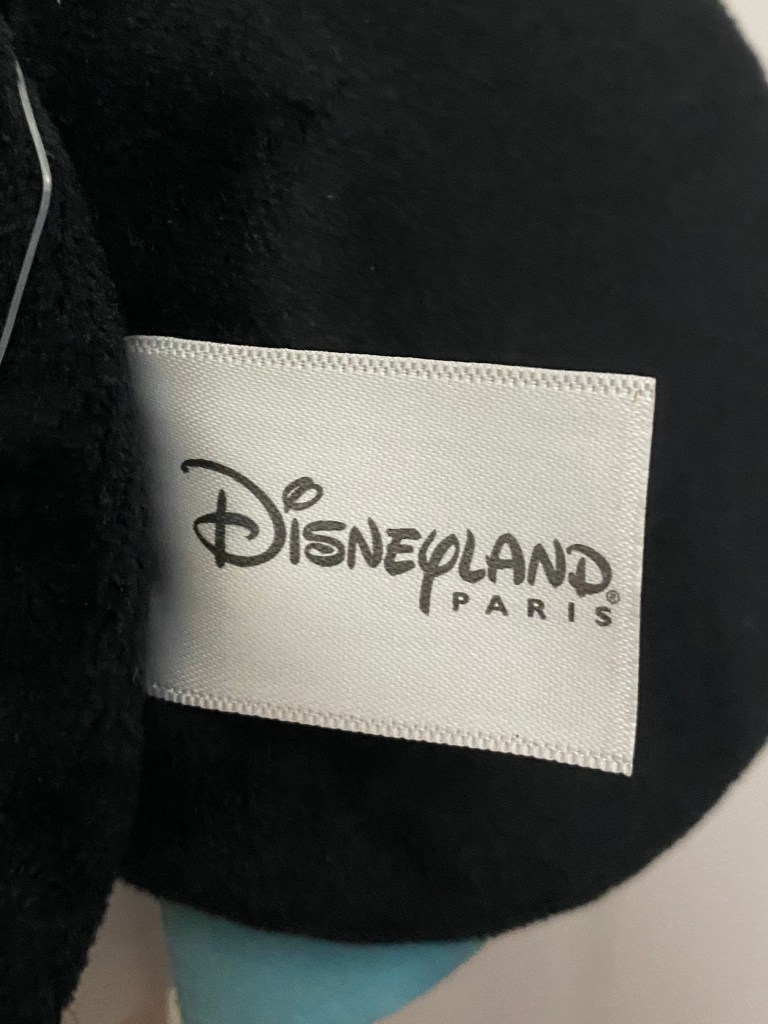
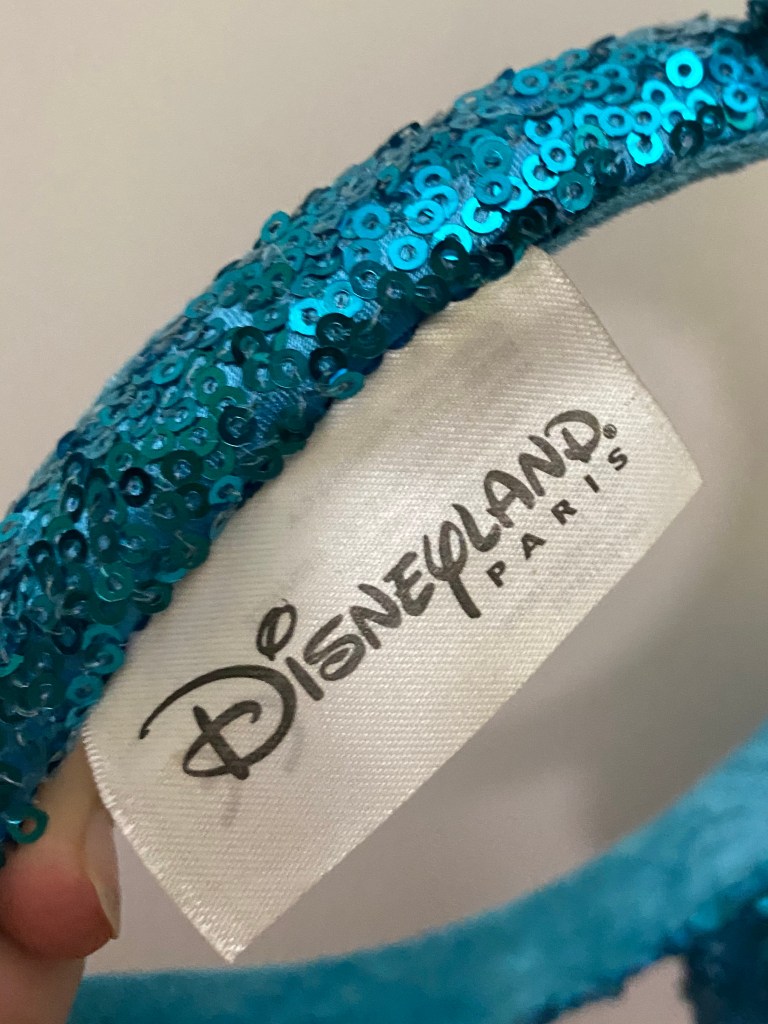
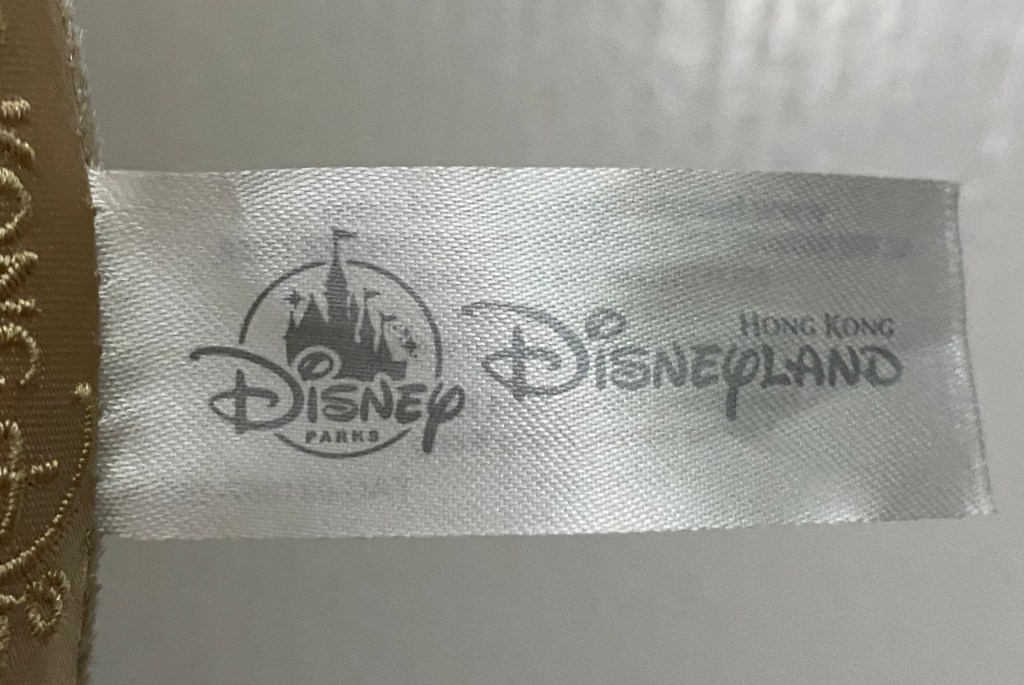

For more pictures and information about fabric tags (variations and fakes), see this post.
Part 2: Fake Tags
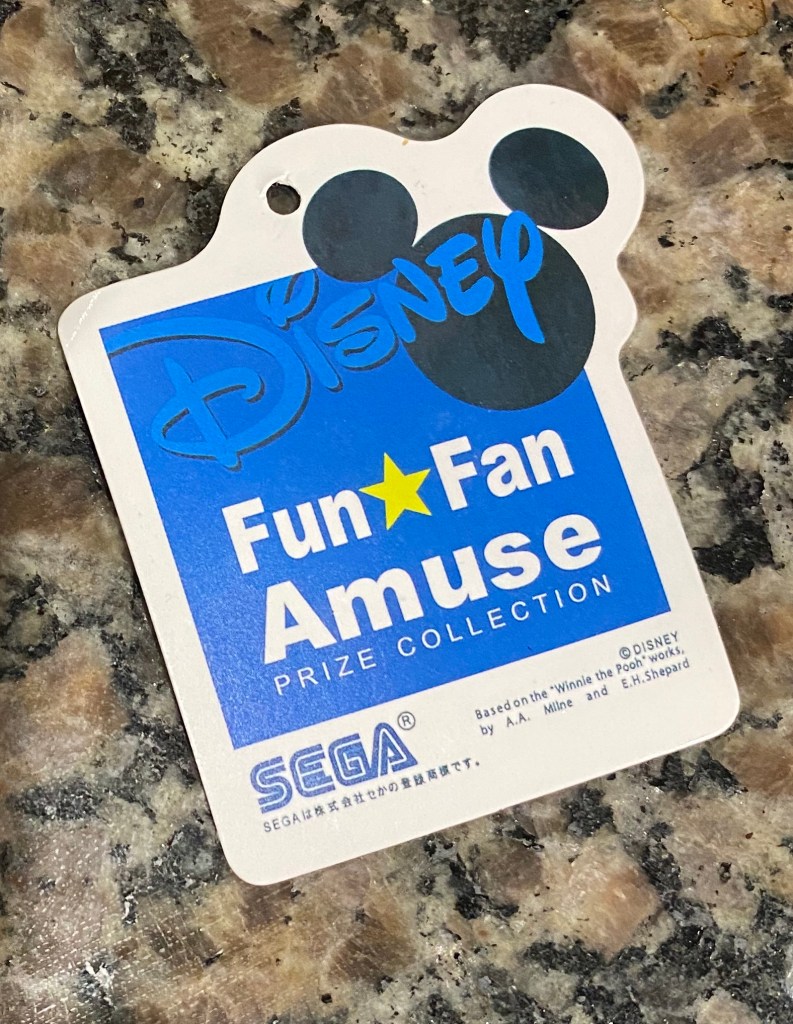
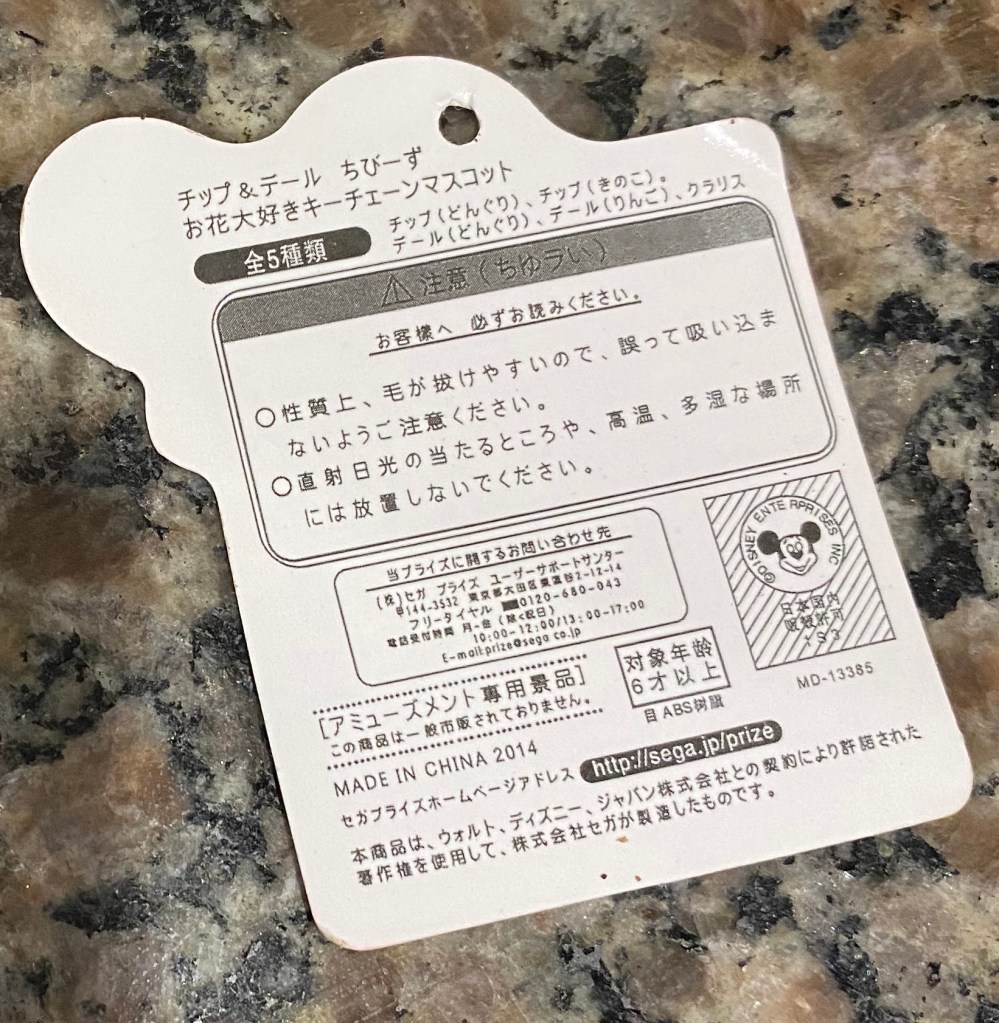
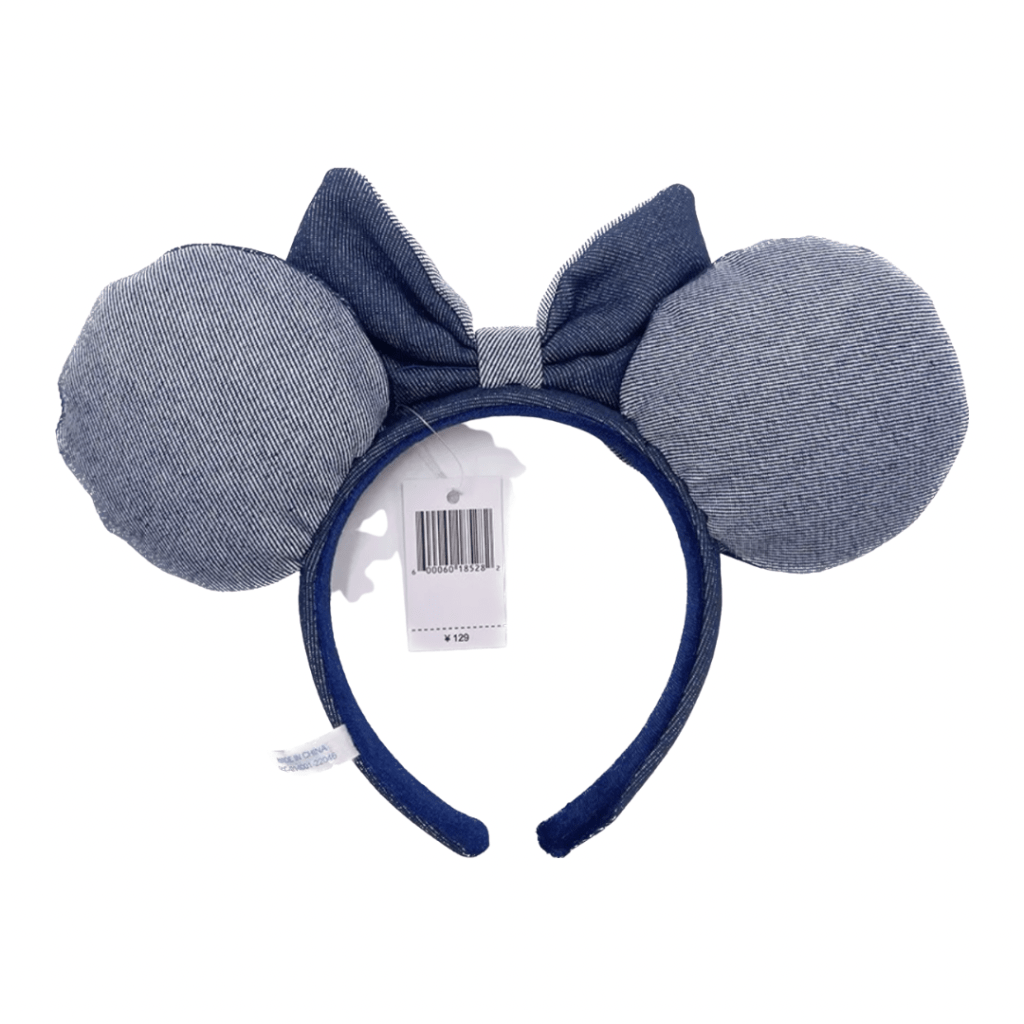
The two biggest fake tags to look for are the “Winnie the Pooh” FAKE SHDL tag and the Fun Fan Amuse tag (this one is not as prevalent anymore, but you do occasionally still see it). Whether on purpose or not, the fake SHDL tag is used to make it appear that ears are park authentic. In fact, a lot times that is how they will be labeled. If you are concerned about buying fake ears, then you should be aware of what the fake tag looks like and also what tags should be on different ears.


The “Winnie the Pooh” FAKE SHDL tag has four red flags. Each of the tags can identify a fake tag fairly easily, but together you should be easily able to identify a fake tag.
- The fake tag is shiny. This is hard to see in pictures, but authentic tags are not shiny and are instead a matte/paper finish.
- The fake tag price and barcode number is the same on EVERY tag. All ears have a unique barcode and several vary in price. In fact, the fake price is much less than what most ears are now selling for!
- The fake tag perforation is a printed black line. Authentic ears are actually perforated and there is no black line.
- Authentic SHDL ears should have a holographic sticker on the tag.

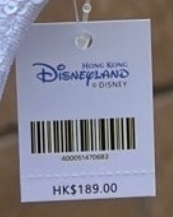
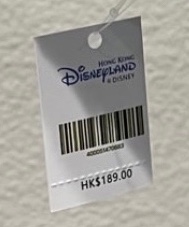
Fake HKDL tags are a little harder to spot. I have rarely seen fake tags, but I have noticed a few of them start to pop up on resale sites. It is hard to tell from the pictures the details of the tags, but they all appear to have the same barcode number. The biggest way to tell these ears are fake, though, is that many of them should not have a HKDL tag – they are not HKDL ears! They are also missing the authenticity sticker tape that most authentic ears will have.
Part 3: Real vs. Fake Tags
Lets look at real and fake tags side by side.
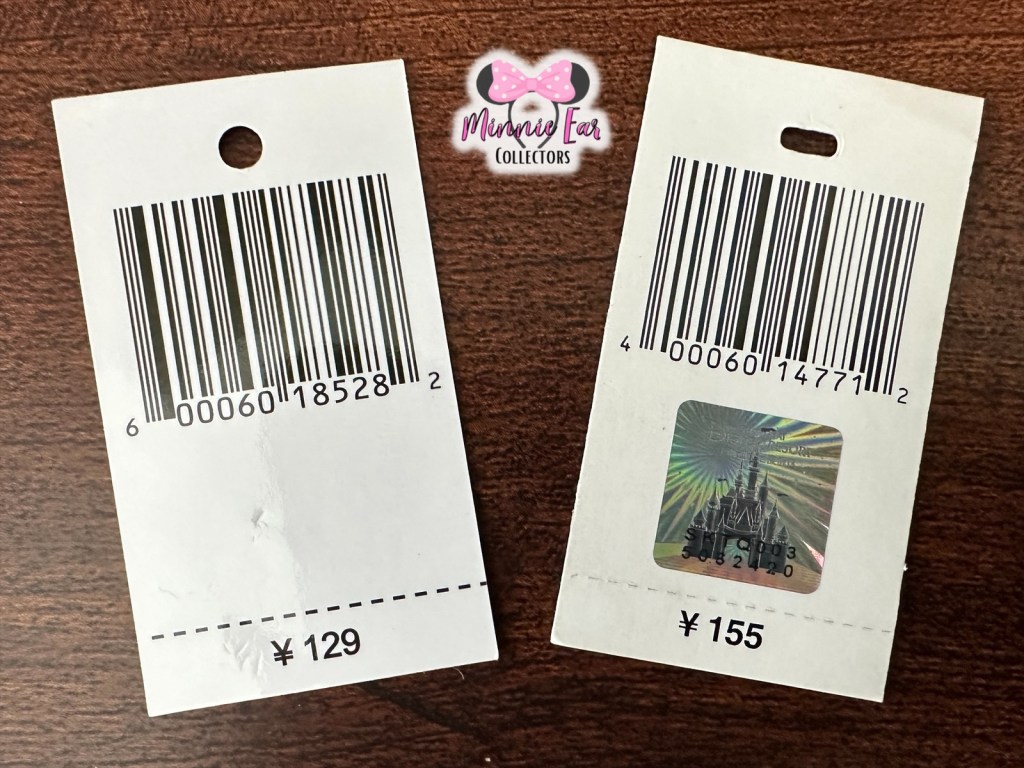

The fake tag does not have a holographic sticker, it has a shiny appearance, the perforated line is a black printed line, and it was “Winnie the Pooh” on the back.
Part 4: Test Yourself
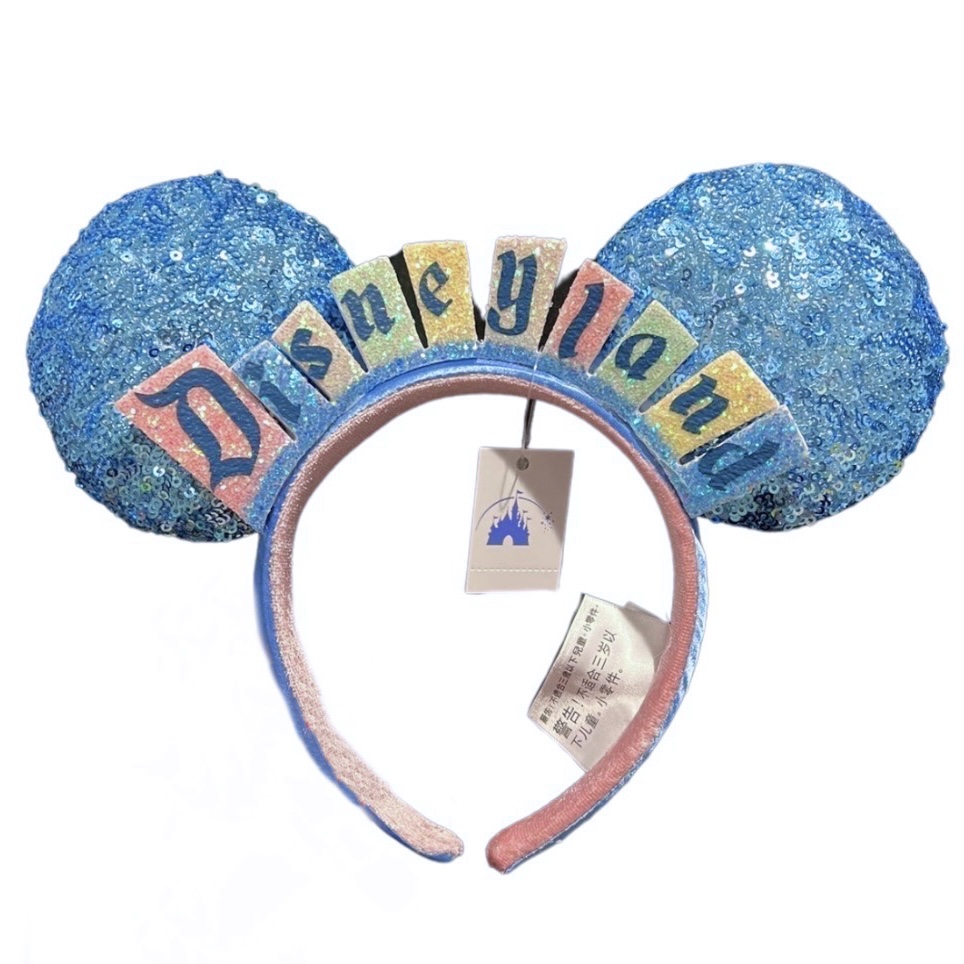
Look at each of these pictures and try to identify if the ears are authentic or fake. If they are fake, try to identify the red flags. The answers will be posted after this section.
Example 1:

Example 2:
Example 3:
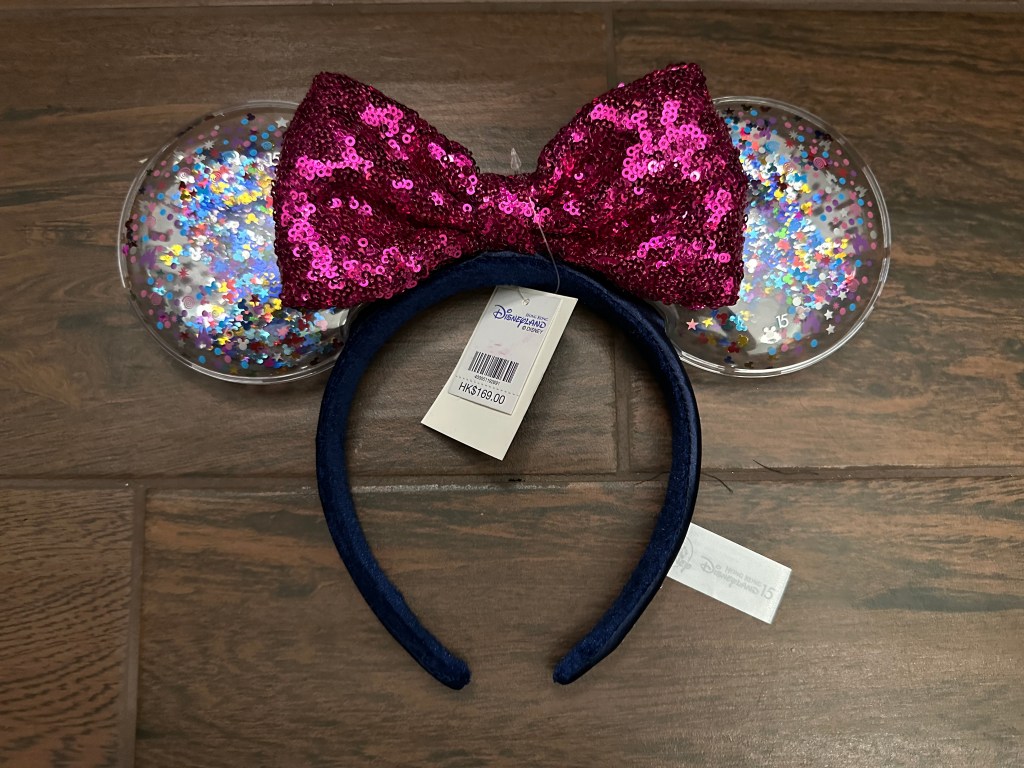
Example 4:
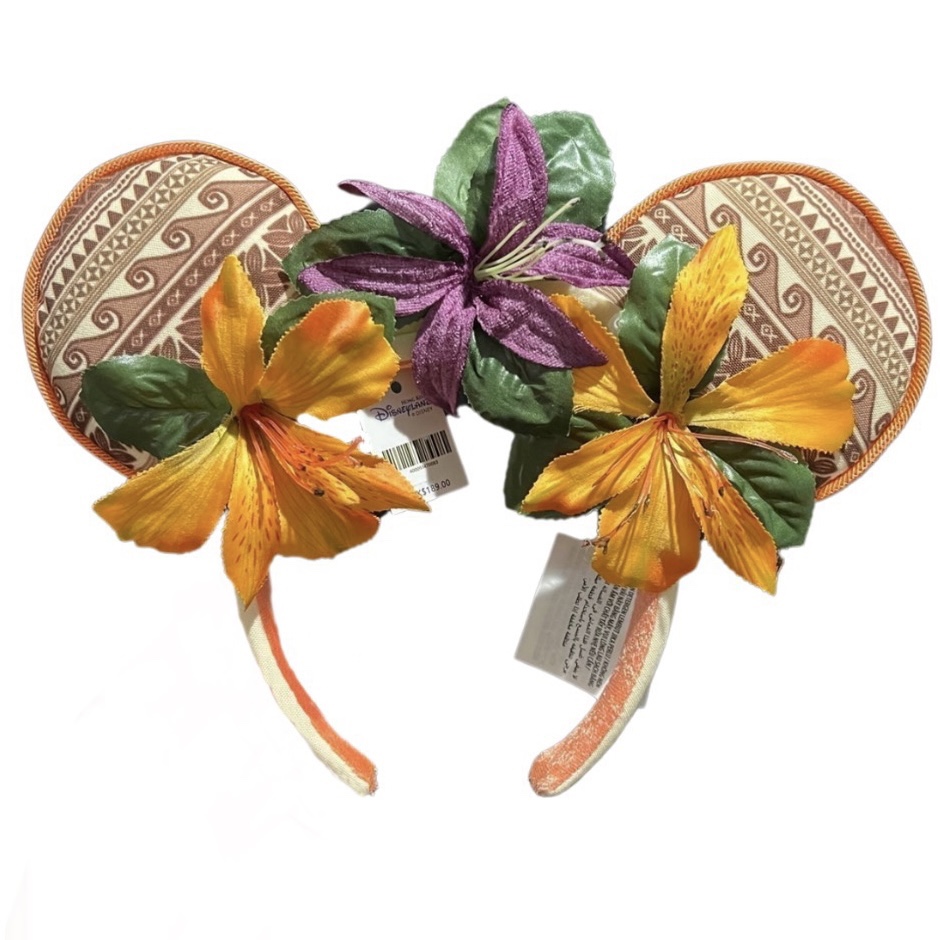
Example 5:
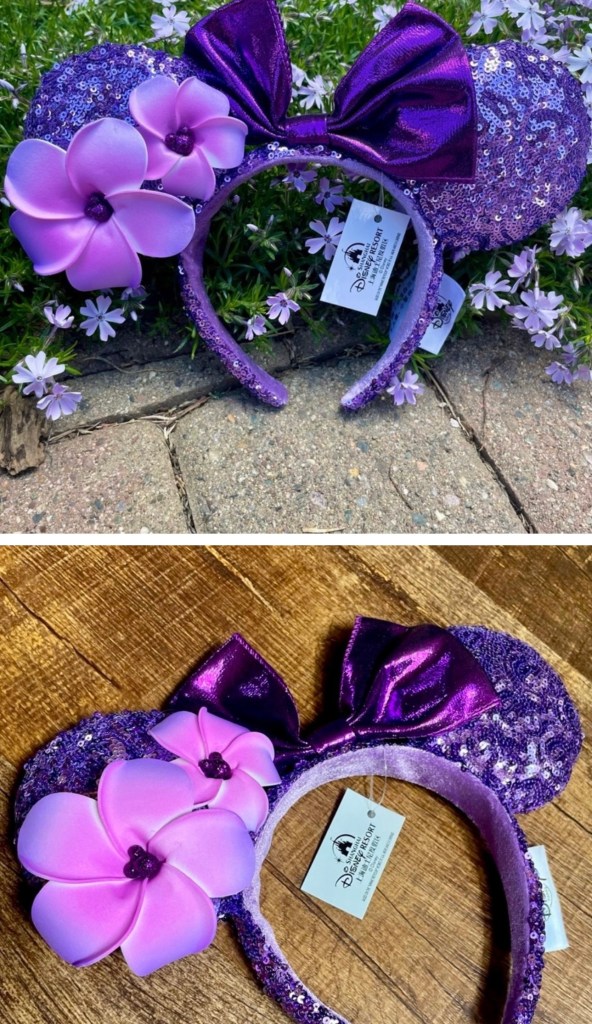
Example 6:

Example 7:
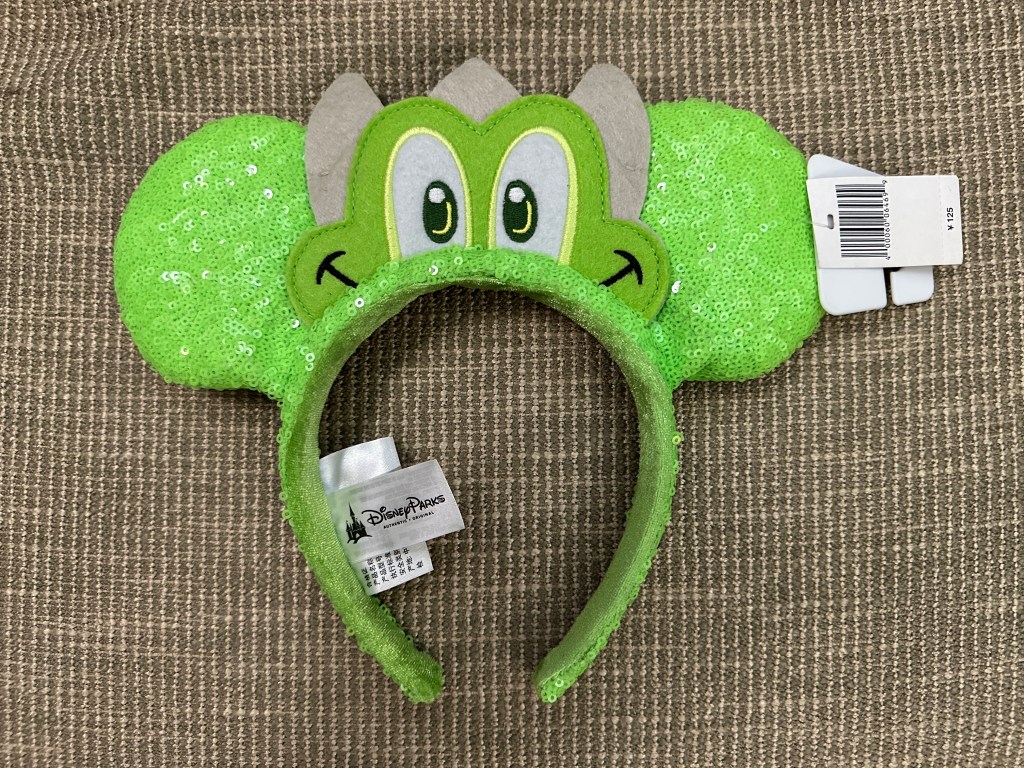
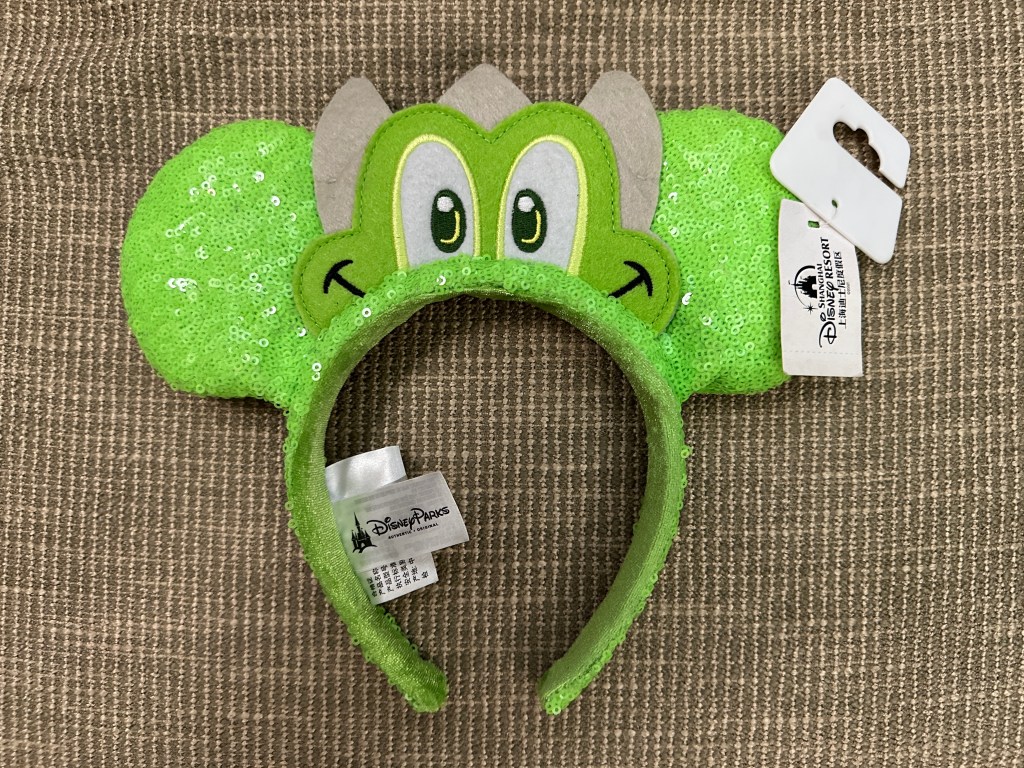
Answers:
1. FAKE! Red flags: Fun Fan Amuse tag and these are TDR exclusive so they should have a TDR fabric tag and paper tag.
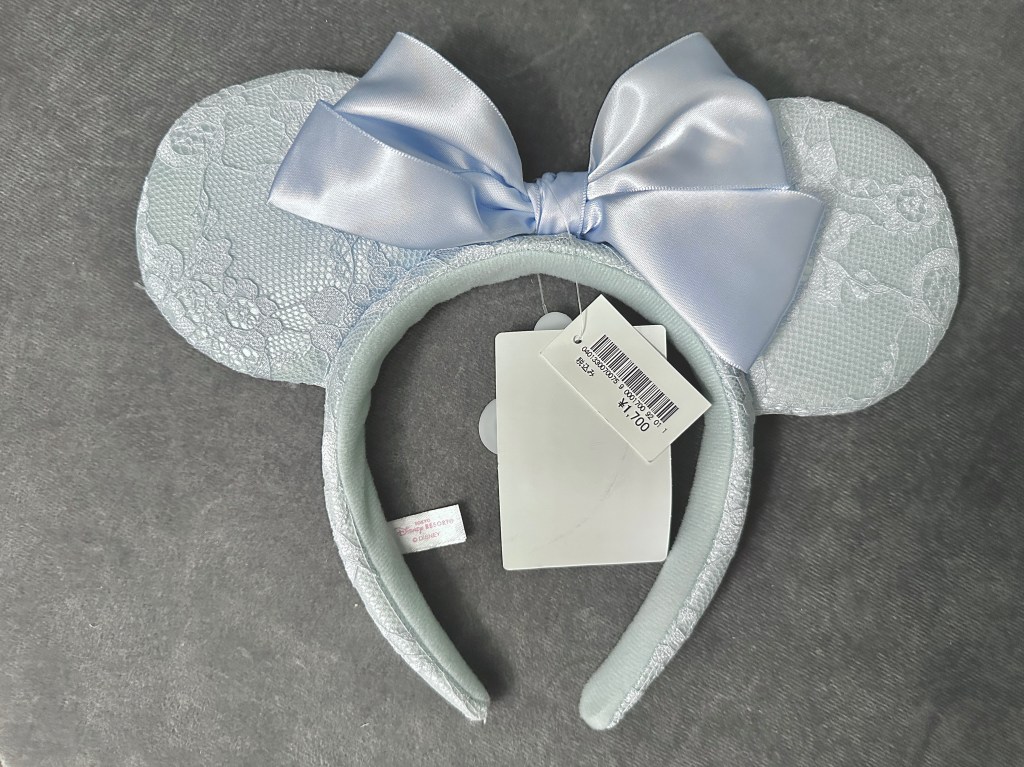
2. FAKE! Disneyland Ears should not have a HKDL tag. Another red flag is the fabric tag. See the pictures below.
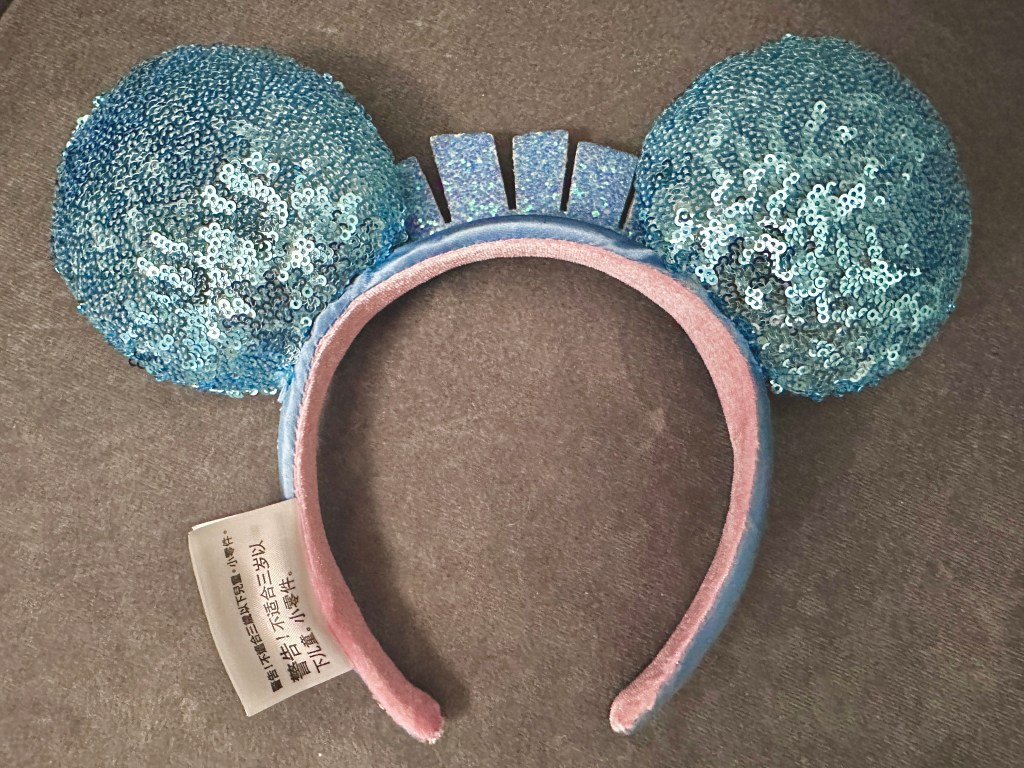
3. Authentic! They do not have the security tape, but the tag and price matches others of this same pair. It also appears that maybe the tape was removed. These were purchased from a reputable person and have not been faked.
4. FAKE! (Or defective item) The fake ears are missing some of the flowers and they are missing the Moana tag and hanger tag (since these are a global release). I have seen these same fakes with the fake SH “Winnie the Pooh” tag as well.
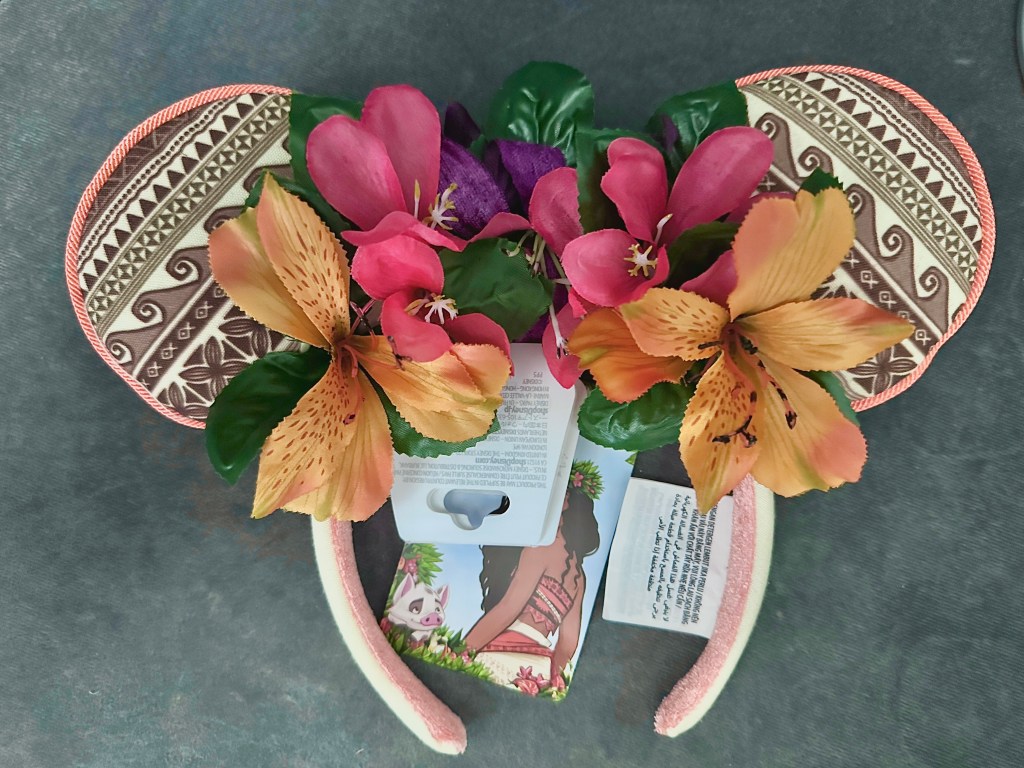
5. FAKE! This one was possibly tricky if you saw the actual listing. The following images were the first pictures featured. It is definitely a little suspicious since the first picture is mine and I wasn’t selling these ears! This listing used authentic pictures to try to sell fake ears. The listing described these as “official” and did not disclose their fakeness. These are Aulani ears and should have the Aulani fabric tag and NOT a SHDL tag.
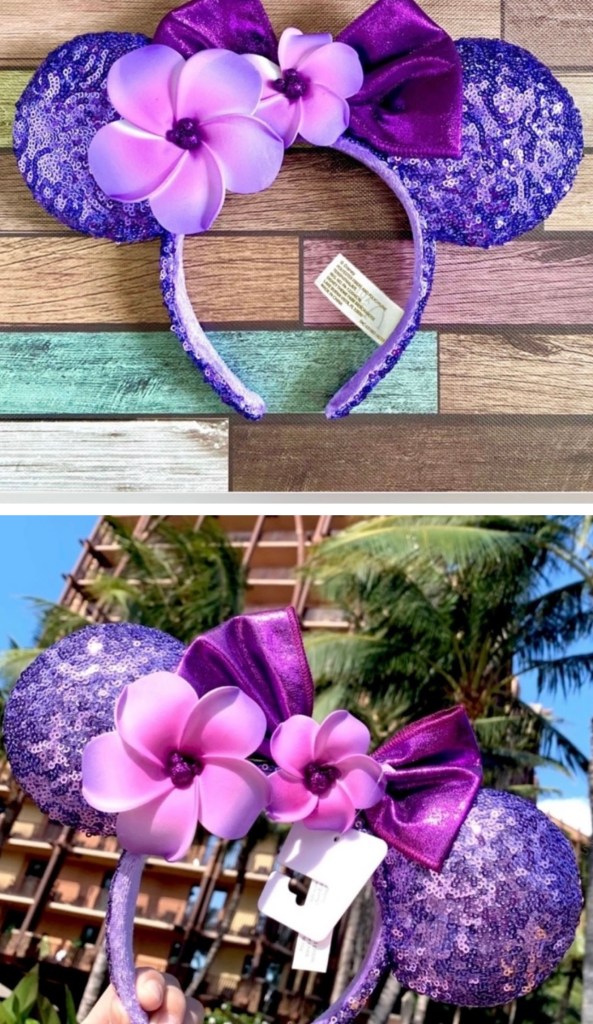
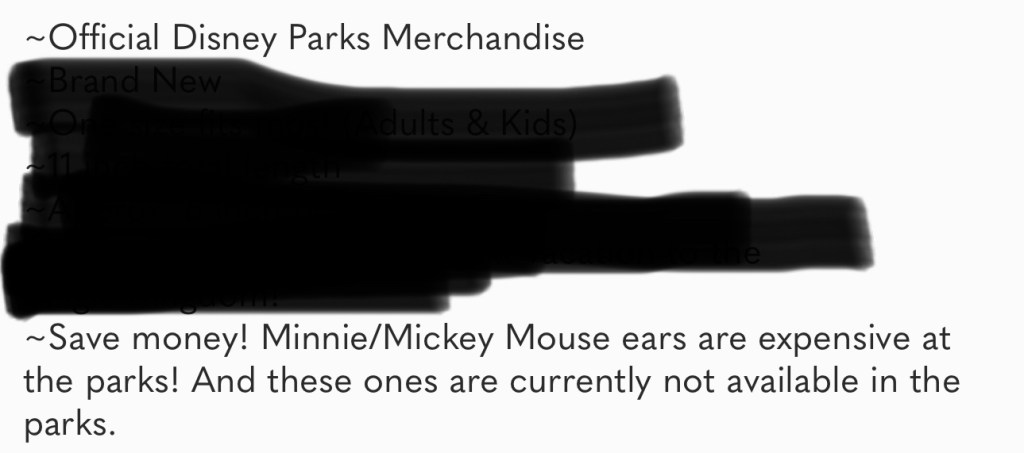
6. FAKE! This one would be a little harder to identify if not for the obviously fake SHDL “Winnie the Pooh” tag! The ear shape is a little ragged compared to the authentic pair, but it is not bad.

7. Authentic! These were from 2016 and while the holographic sticker was still used, I have seen some without it (as well as these early ears weren’t faked). The tag through the ear has been used occasionally and is not a sign of ears being fake.
Conclusion
Just because there are a fake ears out there does not mean you should be afraid of buying ears! If you want authentic ears, though, be aware of the telling factors and you will be just fine. A lot of deception comes because the fake “Winnie the Pooh” tag is used to make ears appear as though they are parks authentic so remember that just because it has a tag does not make it real.
Another way of protecting yourself from fake ears is to be aware of what fakes are actually floating around. In the spectrum of ears in existence, only a fraction have ever been faked! These particular ears will be listed in abundance. You will also see posts advertising selling a hundred different options.
Lastly, if you ever have any questions, ask! You can ask the seller for more pictures (especially of tags) or you can reach out to Minnie Ear Collectors through social media or email and I am happy to help.
**I report all fake listings and listings that use my pictures, but unfortunately resale sites rarely remove these posts unless there are multiple reports. If you ever see pictures from Minnie Ear Collectors on resale sites, they are not my listings so please beware.**
**The information is the article is to help you determine whether ears are authentic or fake. As things are constantly changing and new fakes and tags are being created, the information in this article may also change. Minnie Ear Collectors cannot guarantee authenticity on purchases and is not responsible for the purchase of fake ears.**
 Minnie Ear Collectors